Hello, this is NAWE Women’s Clinic.
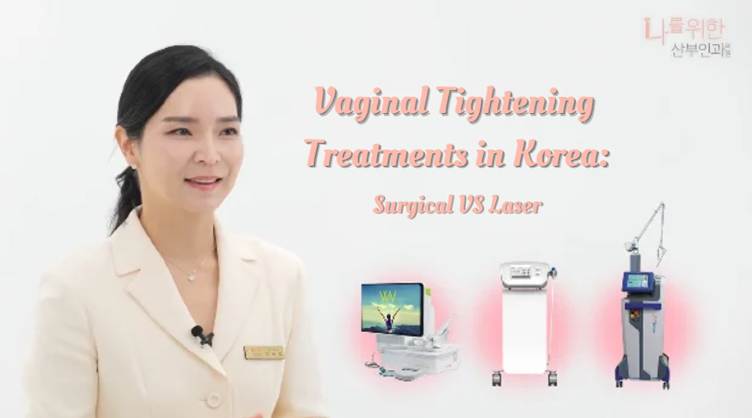
Have you ever felt that your body has changed after childbirth, aging, or hormonal changes?
Some women notice it in small everyday moments. Tight leggings may feel less comfortable than before. Exercise may cause more friction or irritation. Intimate moments may not feel as confident or comfortable as they used to. Some women may also feel a sense of looseness, reduced firmness, or dryness in the vaginal area.
These concerns are more common than many women think.
Vaginal laxity can happen naturally over time due to childbirth, aging, hormonal changes, reduced collagen, or weakened pelvic floor support. These changes are not something to be ashamed of, but they can still affect daily comfort, intimate confidence, and overall quality of life.
At NAWE Women's Clinic, we help patients understand their condition first, then recommend the most suitable treatment based on their body and concerns.
What You Will Find in This Article
- What Is Vaginal Tightening?
- Surgical Vaginal Tightening: Vaginoplasty
- Non-Surgical Vaginal Tightening Laser Treatments
- How Do I Choose the Right Treatment?
- What Makes NAWE Women's Clinic Different?
- Benefits and Pricing
- Summary
What Is Vaginal Tightening?
Vaginal tightening is a treatment that helps improve the firmness, elasticity, and comfort of the vaginal area.
Some women may start to feel changes after childbirth, aging, or hormonal changes. They may notice a feeling of looseness, dryness, reduced firmness, or less comfort during daily activities or intimate moments.
Vaginal tightening treatments are designed to help improve these concerns by supporting the vaginal tissue and encouraging better elasticity and firmness.
There are two main types of vaginal tightening treatments:
Surgical vaginal tightening: recommended for patients who want stronger and longer-lasting tightening results.
Non-surgical vaginal tightening: such as laser, RF, or HIFU treatments, which may help improve elasticity, dryness, and comfort with minimal downtime.
The best option depends on your body condition, level of looseness, treatment goal, and whether you prefer a surgical or non-surgical approach.
Surgical Vaginal Tightening: Vaginoplasty
For patients who want a stronger and longer-lasting tightening effect, vaginoplasty, also known as surgical vaginal tightening, may be considered.
Vaginoplasty is a surgical procedure that helps tighten stretched vaginal muscles and restore internal support. It may be suitable for patients who feel moderate to severe vaginal looseness, especially after childbirth or natural body changes over time.
Vaginoplasty may help improve concerns such as:
Vaginoplasty May Help With:
- Noticeable vaginal looseness
- Reduced internal support
- Changes after childbirth
- A desire for stronger and longer-lasting tightening results
Because vaginoplasty is a surgical procedure, it does require a recovery period. Patients may need to avoid sexual activity, heavy exercise, and certain daily activities for several weeks, depending on the doctor's guidance.
This option is usually recommended when non-surgical treatments may not be enough to achieve the level of improvement the patient is looking for. During a private 1:1 consultation, our doctor will carefully check your condition and recommend whether surgical or non-surgical treatment is more suitable for you.
Non-Surgical Vaginal Tightening Laser Treatments
For patients who prefer a lighter approach with minimal downtime, non-surgical vaginal tightening treatments may be a better option.
These treatments use energy-based technologies such as laser, HIFU, or radiofrequency (RF) to stimulate tissue response and collagen production. Instead of surgery, the goal is to gently improve elasticity, moisture, firmness, and overall intimate comfort. For patients who prefer a lighter approach with minimal downtime, non-surgical vaginal tightening treatments may be a good option.
These treatments are designed to help improve vaginal tightness, elasticity, dryness, collagen regeneration, and overall intimate comfort without surgery.
Non-surgical vaginal tightening treatments may be suitable for patients who have:
- Mild vaginal looseness
- Vaginal dryness
- Reduced elasticity
- Mild intimate discomfort
- Concerns about surgery or downtime
- A preference for gradual improvement
At NAWE Women's Clinic, we offer several non-surgical vaginal tightening and rejuvenation treatments. Non-surgical options may include treatments such as vaginal laser, HIFU, or RF-based rejuvenation, depending on the patient's condition.
1. VIVEVE Vaginal Tightening
VIVEVE is an energy-based treatment that helps improve vaginal tightness and elasticity. It may be suitable for patients who want a non-surgical option with minimal downtime.
2. UltraVera HIFU Vaginal Lifting
UltraVera uses HIFU energy to stimulate deep collagen production. This can help with vaginal tightening, lifting, and improved tissue support.
3. REVIVE RF Vaginal Rejuvenation
REVIVE RF uses radiofrequency energy to help improve vaginal elasticity, tissue thickness, dryness, and sensitivity.
4. MonaLisa Touch Laser Treatment
MonaLisa Touch is a CO2 fractional laser treatment that helps improve vaginal hydration, elasticity, and collagen regeneration.
These treatments are usually quick and have minimal downtime. However, results are generally gradual, and multiple sessions or maintenance treatments may be recommended depending on the patient's concerns and treatment goals.
How Do I Choose the Right Vaginal Tightening Treatment?
The right treatment depends on your body and your goal.
If your concern is mild looseness, dryness, or reduced elasticity, a non-surgical vaginal tightening treatment may be recommended first.
If your concern is more noticeable looseness, reduced internal support, or post-childbirth changes, surgical vaginal tightening may provide a stronger result.
| Concern | Recommended Approach |
| Mild concerns | Non-surgical laser, HIFU, or RF treatment may be suitable |
| Dryness and comfort concerns | Non-surgical rejuvenation treatment may help |
| Moderate to severe looseness | Vaginoplasty may be considered |
| Post-childbirth internal support concerns | Surgical tightening may be more suitable |
| Unsure which option is right | A consultation and vaginal pressure check can help guide the decision |
There is no one-size-fits-all answer. Two patients may describe similar symptoms, but their tissue condition, muscle support, and treatment goals may be different.
That is why a proper consultation is important before deciding on a treatment.
What Makes NAWE Women's Clinic Different?
At NAWE Women's Clinic, we do not recommend the same treatment for every patient.
Vaginal laxity can happen for different reasons, such as reduced tissue elasticity, weakened pelvic floor support, dryness, or changes after childbirth. Because each patient's condition is different, the most suitable treatment should be decided after carefully checking the actual condition of the vaginal area.
One of the special points of NAWE Women's Clinic is that we use a vaginal laxity diagnostic device to measure vaginal pressure. This allows the doctor to better understand the patient's condition instead of relying only on symptoms or personal feelings.
By checking the vaginal pressure level, the doctor can recommend a more accurate and personalized treatment plan. Depending on the patient's condition, the doctor may suggest:
Personalized Treatment Options at NAWE
- Non-surgical vaginal tightening laser treatment
- RF or HIFU vaginal rejuvenation
- Surgical vaginal tightening
- A combination treatment plan
- A more conservative approach if treatment is not immediately needed
Through this process, patients can receive a treatment plan based on their real condition, not just general symptoms.
At NAWE Women's Clinic, our goal is not to recommend the most expensive treatment. Our goal is to recommend what truly fits your body, your concerns, and your expectations.
Benefits and Pricing
Vaginal tightening is a very personal concern, and every patient's condition is different.
Some patients may only need a gentle non-surgical treatment, while others may benefit more from surgical tightening. The best way to know is through a private 1:1 consultation with the doctor.
At NAWE Women's Clinic, we will carefully check your concerns, examine your condition, and recommend the most suitable treatment plan for you.
For current event pricing and available benefits, please click the "Check Benefits" button below.
You will be directed to the event page where you can check discounted pricing and promotion details.
Summary
Vaginal tightening is not about changing yourself because something is wrong.
It is about understanding your body and choosing a treatment that helps you feel more comfortable, supported, and confident again.
Whether you are considering non-surgical vaginal tightening or surgical vaginoplasty, the most important first step is a private consultation.
At NAWE Women's Clinic, we are here to guide you with care, privacy, and professional support.
Frequently Asked Questions About Vaginal Tightening in Korea
1. What is the best vaginal tightening procedure in Korea?
The best vaginal tightening treatment depends on your symptoms, anatomy, and desired results. Patients with mild looseness may benefit from laser or RF treatments, while those seeking more noticeable and long-lasting improvement may consider surgical vaginoplasty.
At NAWE Clinic Seoul, treatment recommendations are customized for each patient after consultation.
2. Is vaginal tightening surgery safe?
When performed by an experienced medical professional, vaginal tightening surgery is generally considered safe. Choosing a qualified clinic, following aftercare instructions, and attending follow-up appointments are important parts of minimizing risks and supporting recovery.
3. Is non-surgical vaginal tightening painful?
Most non-surgical vaginal tightening treatments are designed to be relatively comfortable. Depending on the treatment type, patients may feel warmth, pressure, or mild discomfort during the procedure.
Since every patient's sensitivity level is different, the doctor will guide you based on your condition and chosen treatment.
4. How long is the downtime after vaginal tightening?
Recovery time depends on the type of vaginal tightening procedure performed.
For non-surgical vaginal rejuvenation treatments, most patients can return to normal activities immediately or within 1-2 days.
For surgical vaginal tightening, mild swelling and discomfort are normal during the first few weeks. Many patients return to light activities within several days, but strenuous exercise, cycling, swimming, and sexual activity should usually be avoided for approximately 4-6 weeks to support proper healing.
At NAWE Clinic, detailed aftercare guidance is provided to help patients recover safely and comfortably.
5. How many sessions of non-surgical vaginal tightening do I need?
The number of sessions depends on your vaginal condition, treatment goal, and the type of device used.
Some patients may notice improvement after one session, while others may need multiple sessions for better results. During your 1:1 consultation, the doctor will check your condition and recommend the most suitable treatment plan.
6. How long do vaginal tightening results last?
Results vary depending on the treatment method and individual lifestyle factors.
Non-surgical vaginal tightening treatments may require maintenance sessions over time, while surgical vaginoplasty generally provides longer-lasting results because the vaginal muscles and supportive tissues are physically repaired and tightened.
Maintaining a healthy lifestyle and following aftercare instructions can help support long-term results.
7. When can I have intimate relations after vaginal tightening treatment?
For non-surgical vaginal tightening treatments, we usually recommend avoiding intimate relations for about 3 days so the treated area can rest comfortably.
For surgical vaginal tightening, a longer recovery period is required. Intimate relations should only be resumed after the doctor confirms that the area has healed properly.
8. Is vaginal tightening worth it after childbirth?
Many women consider vaginal tightening after childbirth to improve vaginal support, comfort, and confidence. Depending on the degree of vaginal laxity, both non-surgical treatments and vaginoplasty may help restore tighter and more supported tissue.
9. Does vaginal tightening help with urinary leakage?
In some cases, mild urinary leakage related to weakened pelvic support may improve after vaginal tightening treatments. However, the effectiveness depends on the underlying cause and severity of symptoms. A professional consultation is recommended for proper evaluation.
Thank you for reading. This has been NAWE Women's Clinic.
Like a friend, sometimes like a sister —
Dr. Eun-jeong Lee, a physician who truly understands women.
• OB/GYN Specialist, Samsung Seoul Hospital
• Outpatient Professor, Samsung Seoul Hospital Dept. of OB/GYN
• Former Director, Yunho Hospital OB/GYN
• Former Director, Poyumun OB/GYN Clinic
• Current Director, Nawe Clinic
• Full Member, Korean Society of Obstetrics and Gynecology
• Full Member, Korean OB/GYN Medical Association
• Full Member, Korean Society of Obstetric and Gynecologic Ultrasound
• Full Member, Korean Society of Female Pelvic Aesthetic Medicine
• Full Member, Korean Society of Urogynecology

 Nearby exit 4 of

 Walk-in








Hello, this is NAWE Women’s Clinic.
Have you ever felt that your body has changed after childbirth, aging, or hormonal changes?
Some women notice it in small everyday moments. Tight leggings may feel less comfortable than before. Exercise may cause more friction or irritation. Intimate moments may not feel as confident or comfortable as they used to. Some women may also feel a sense of looseness, reduced firmness, or dryness in the vaginal area.
These concerns are more common than many women think.
At NAWE Women's Clinic, we help patients understand their condition first, then recommend the most suitable treatment based on their body and concerns.
What You Will Find in This Article
- What Is Vaginal Tightening?
- Surgical Vaginal Tightening: Vaginoplasty
- Non-Surgical Vaginal Tightening Laser Treatments
- How Do I Choose the Right Treatment?
- What Makes NAWE Women's Clinic Different?
- Benefits and Pricing
- Summary
What Is Vaginal Tightening?
Vaginal tightening is a treatment that helps improve the firmness, elasticity, and comfort of the vaginal area.
Some women may start to feel changes after childbirth, aging, or hormonal changes. They may notice a feeling of looseness, dryness, reduced firmness, or less comfort during daily activities or intimate moments.
Vaginal tightening treatments are designed to help improve these concerns by supporting the vaginal tissue and encouraging better elasticity and firmness.
There are two main types of vaginal tightening treatments:
Surgical vaginal tightening: recommended for patients who want stronger and longer-lasting tightening results.
Non-surgical vaginal tightening: such as laser, RF, or HIFU treatments, which may help improve elasticity, dryness, and comfort with minimal downtime.
The best option depends on your body condition, level of looseness, treatment goal, and whether you prefer a surgical or non-surgical approach.
Surgical Vaginal Tightening: Vaginoplasty
For patients who want a stronger and longer-lasting tightening effect, vaginoplasty, also known as surgical vaginal tightening, may be considered.
Vaginoplasty is a surgical procedure that helps tighten stretched vaginal muscles and restore internal support. It may be suitable for patients who feel moderate to severe vaginal looseness, especially after childbirth or natural body changes over time.
Vaginoplasty may help improve concerns such as:
Vaginoplasty May Help With:
- Noticeable vaginal looseness
- Reduced internal support
- Changes after childbirth
- A desire for stronger and longer-lasting tightening results
Because vaginoplasty is a surgical procedure, it does require a recovery period. Patients may need to avoid sexual activity, heavy exercise, and certain daily activities for several weeks, depending on the doctor's guidance.
This option is usually recommended when non-surgical treatments may not be enough to achieve the level of improvement the patient is looking for. During a private 1:1 consultation, our doctor will carefully check your condition and recommend whether surgical or non-surgical treatment is more suitable for you.
Non-Surgical Vaginal Tightening Laser Treatments
For patients who prefer a lighter approach with minimal downtime, non-surgical vaginal tightening treatments may be a better option.
These treatments use energy-based technologies such as laser, HIFU, or radiofrequency (RF) to stimulate tissue response and collagen production. Instead of surgery, the goal is to gently improve elasticity, moisture, firmness, and overall intimate comfort. For patients who prefer a lighter approach with minimal downtime, non-surgical vaginal tightening treatments may be a good option.
These treatments are designed to help improve vaginal tightness, elasticity, dryness, collagen regeneration, and overall intimate comfort without surgery.
Non-surgical vaginal tightening treatments may be suitable for patients who have:
- Mild vaginal looseness
- Vaginal dryness
- Reduced elasticity
- Mild intimate discomfort
- Concerns about surgery or downtime
- A preference for gradual improvement
At NAWE Women's Clinic, we offer several non-surgical vaginal tightening and rejuvenation treatments. Non-surgical options may include treatments such as vaginal laser, HIFU, or RF-based rejuvenation, depending on the patient's condition.
1. VIVEVE Vaginal Tightening
VIVEVE is an energy-based treatment that helps improve vaginal tightness and elasticity. It may be suitable for patients who want a non-surgical option with minimal downtime.
2. UltraVera HIFU Vaginal Lifting
UltraVera uses HIFU energy to stimulate deep collagen production. This can help with vaginal tightening, lifting, and improved tissue support.
3. REVIVE RF Vaginal Rejuvenation
REVIVE RF uses radiofrequency energy to help improve vaginal elasticity, tissue thickness, dryness, and sensitivity.
4. MonaLisa Touch Laser Treatment
MonaLisa Touch is a CO2 fractional laser treatment that helps improve vaginal hydration, elasticity, and collagen regeneration.
These treatments are usually quick and have minimal downtime. However, results are generally gradual, and multiple sessions or maintenance treatments may be recommended depending on the patient's concerns and treatment goals.
How Do I Choose the Right Vaginal Tightening Treatment?
The right treatment depends on your body and your goal.
If your concern is mild looseness, dryness, or reduced elasticity, a non-surgical vaginal tightening treatment may be recommended first.
If your concern is more noticeable looseness, reduced internal support, or post-childbirth changes, surgical vaginal tightening may provide a stronger result.
There is no one-size-fits-all answer. Two patients may describe similar symptoms, but their tissue condition, muscle support, and treatment goals may be different.
That is why a proper consultation is important before deciding on a treatment.
What Makes NAWE Women's Clinic Different?
At NAWE Women's Clinic, we do not recommend the same treatment for every patient.
Vaginal laxity can happen for different reasons, such as reduced tissue elasticity, weakened pelvic floor support, dryness, or changes after childbirth. Because each patient's condition is different, the most suitable treatment should be decided after carefully checking the actual condition of the vaginal area.
One of the special points of NAWE Women's Clinic is that we use a vaginal laxity diagnostic device to measure vaginal pressure. This allows the doctor to better understand the patient's condition instead of relying only on symptoms or personal feelings.
By checking the vaginal pressure level, the doctor can recommend a more accurate and personalized treatment plan. Depending on the patient's condition, the doctor may suggest:
Personalized Treatment Options at NAWE
- Non-surgical vaginal tightening laser treatment
- RF or HIFU vaginal rejuvenation
- Surgical vaginal tightening
- A combination treatment plan
- A more conservative approach if treatment is not immediately needed
Through this process, patients can receive a treatment plan based on their real condition, not just general symptoms.
Benefits and Pricing
Vaginal tightening is a very personal concern, and every patient's condition is different.
Some patients may only need a gentle non-surgical treatment, while others may benefit more from surgical tightening. The best way to know is through a private 1:1 consultation with the doctor.
At NAWE Women's Clinic, we will carefully check your concerns, examine your condition, and recommend the most suitable treatment plan for you.
For current event pricing and available benefits, please click the "Check Benefits" button below.
You will be directed to the event page where you can check discounted pricing and promotion details.
Summary
Vaginal tightening is not about changing yourself because something is wrong.
It is about understanding your body and choosing a treatment that helps you feel more comfortable, supported, and confident again.
Whether you are considering non-surgical vaginal tightening or surgical vaginoplasty, the most important first step is a private consultation.
At NAWE Women's Clinic, we are here to guide you with care, privacy, and professional support.
Frequently Asked Questions About Vaginal Tightening in Korea
1. What is the best vaginal tightening procedure in Korea?
The best vaginal tightening treatment depends on your symptoms, anatomy, and desired results. Patients with mild looseness may benefit from laser or RF treatments, while those seeking more noticeable and long-lasting improvement may consider surgical vaginoplasty.
At NAWE Clinic Seoul, treatment recommendations are customized for each patient after consultation.
2. Is vaginal tightening surgery safe?
When performed by an experienced medical professional, vaginal tightening surgery is generally considered safe. Choosing a qualified clinic, following aftercare instructions, and attending follow-up appointments are important parts of minimizing risks and supporting recovery.
3. Is non-surgical vaginal tightening painful?
Most non-surgical vaginal tightening treatments are designed to be relatively comfortable. Depending on the treatment type, patients may feel warmth, pressure, or mild discomfort during the procedure.
Since every patient's sensitivity level is different, the doctor will guide you based on your condition and chosen treatment.
4. How long is the downtime after vaginal tightening?
Recovery time depends on the type of vaginal tightening procedure performed.
For non-surgical vaginal rejuvenation treatments, most patients can return to normal activities immediately or within 1-2 days.
For surgical vaginal tightening, mild swelling and discomfort are normal during the first few weeks. Many patients return to light activities within several days, but strenuous exercise, cycling, swimming, and sexual activity should usually be avoided for approximately 4-6 weeks to support proper healing.
At NAWE Clinic, detailed aftercare guidance is provided to help patients recover safely and comfortably.
5. How many sessions of non-surgical vaginal tightening do I need?
The number of sessions depends on your vaginal condition, treatment goal, and the type of device used.
Some patients may notice improvement after one session, while others may need multiple sessions for better results. During your 1:1 consultation, the doctor will check your condition and recommend the most suitable treatment plan.
6. How long do vaginal tightening results last?
Results vary depending on the treatment method and individual lifestyle factors.
Non-surgical vaginal tightening treatments may require maintenance sessions over time, while surgical vaginoplasty generally provides longer-lasting results because the vaginal muscles and supportive tissues are physically repaired and tightened.
Maintaining a healthy lifestyle and following aftercare instructions can help support long-term results.
7. When can I have intimate relations after vaginal tightening treatment?
For non-surgical vaginal tightening treatments, we usually recommend avoiding intimate relations for about 3 days so the treated area can rest comfortably.
For surgical vaginal tightening, a longer recovery period is required. Intimate relations should only be resumed after the doctor confirms that the area has healed properly.
8. Is vaginal tightening worth it after childbirth?
Many women consider vaginal tightening after childbirth to improve vaginal support, comfort, and confidence. Depending on the degree of vaginal laxity, both non-surgical treatments and vaginoplasty may help restore tighter and more supported tissue.
9. Does vaginal tightening help with urinary leakage?
In some cases, mild urinary leakage related to weakened pelvic support may improve after vaginal tightening treatments. However, the effectiveness depends on the underlying cause and severity of symptoms. A professional consultation is recommended for proper evaluation.
Thank you for reading. This has been NAWE Women's Clinic.
Dr. Eun-jeong Lee, a physician who truly understands women.
• Outpatient Professor, Samsung Seoul Hospital Dept. of OB/GYN
• Former Director, Yunho Hospital OB/GYN
• Former Director, Poyumun OB/GYN Clinic
• Current Director, Nawe Clinic
• Full Member, Korean OB/GYN Medical Association
• Full Member, Korean Society of Obstetric and Gynecologic Ultrasound
• Full Member, Korean Society of Female Pelvic Aesthetic Medicine
• Full Member, Korean Society of Urogynecology