










Nawe Women's Clinic
Urinary Incontinence
Urinary incontinence is the inability to control one's bladder that causes an involuntary flow of urine.
It can occur at any age, but its incidence increases particularly among middle-aged and older women due to factors such as childbirth,
aging, decreased female hormones, weakening of the pelvic floor muscles,
and reduced support of the bladder, urethra, and sphincter.
Symptoms of Urinary Incontinence
Dribbling urine after coughing or sneezing
Urine leakage during intercourse
Urinate about 8 times a day
Waking up to urinate three or more times during the night
Dribbling urine after standing up and heavy lifting
Painful urination
Treatment for urinary incontinence
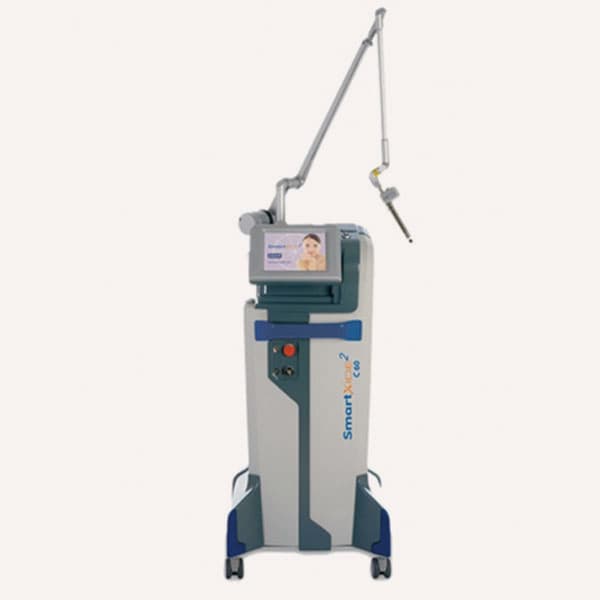

Non-surgical treatment
Procedures such as laser therapy and vaginal fillers help restore vaginal elasticity and strengthen the muscles around the bladder.
Surgical treatment
Mini-sling surgery is a minimally invasive procedure performed through a vaginal incision without any skin incision. The resulting scar remains inside the vagina, making it nearly invisible externally, and the procedure causes minimal pain, allowing for a quick return to daily activities.
Mini-Sling Surgical Technique
The mini-sling is an advanced surgical technique for treating urinary incontinence.
It effectively corrects the sagging position of the urethra using a special biocompatible tape,
without the need for skin incisions.
As there is no perineal incision,
the procedure involves less discomfort
and carries
a lower risk of complications such as infection or inflammation.
With a short operation time of approximately 10 to 15 minutes,
the mini-sling surgery offers the benefit of rapid recovery.

No scars

Minimized need
for anesthesia
Less pain

Rapid recovery
Surgical Methods
Mini-Sling
site
Vaginal anterior wall + abdomen
anterior wall
materials
mesh tape
Lower body anesthesia
sleep sedation
Treatment for urinary incontinence
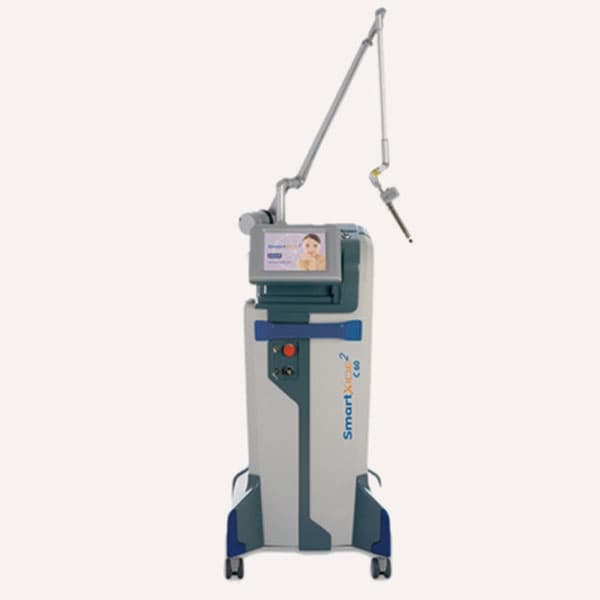
Non-surgical treatment
Procedures such as laser therapy and vaginal fillers help restore vaginal elasticity and strengthen the muscles around the bladder.

Surgical treatment
Mini-sling surgery is a minimally invasive procedure performed through a vaginal incision without any skin incision. The resulting scar remains inside the vagina, making it nearly invisible externally, and the procedure causes minimal pain, allowing for a quick return to daily activities.
Mini-Sling Surgical Technique
The mini-sling is an advanced surgical technique for treating urinary incontinence.
It effectively corrects the sagging position of the urethra using a special biocompatible tape,
without the need for skin incisions.
As there is no perineal incision,
the procedure involves less discomfort
and carries
a lower risk of complications such as infection or inflammation.
With a short operation time of approximately 10 to 15 minutes,
the mini-sling surgery offers the benefit of rapid recovery.

No scars

Minimized need
for anesthesia
Less pain

Rapid recovery
for urinary incontin
ence
Surgical
Methods
Clinic Mini-
Sling
wall + thigh
Vaginal anterior
wall + abdomen
wall
mesh tape, Fascia,
Vaginal anterior
wall
mesh tape
anesthesia or
Lower body
anesthesia
or sleep sedation
time
30 minutes
15 minutes
perforation,
Urinary disorders
complications


NAWE CLINIC Surgery Benefits
Excellence in Both Process and Results
- • Less blood loss
- • Less postoperative pain
- • Quicker recovery
- • Minimal scarring
- • Cosmetic suturing technique
- • Lower risk of infection
- • Private recovery room
Q&A
Q.
Do I need stitches removed after surgery?
All stitches are dissolvable and do not need to be removed.
Q.
When can I have sex?
Avoid any activities until the treatment or surgical area is completely healed.
Q.
Can the condition come back after surgery or treatment?
Even if the condition is considered cured, there is still a possibility of recurrence.
The exact cause of recurrence can be due to various factors. So if recurrence occurs, it is important to consult with the attending physician for accurate guidance.